LOWER HIGH
BLOOD PRESSURE
WITH BRAND-NAME BYSTOLIC
 SIDES TO BYSTOLIC
BYSTOLIC is a prescription medicine that belongs to a group of medicines called “beta blockers.” BYSTOLIC is used, often with other medicines, to treat adults with high blood pressure (hypertension). BYSTOLIC is not approved for use in children under 18 years of age.
*
This offer is available to patients with commercial insurance coverage and a valid BYSTOLIC prescription. Offer not valid for patients enrolled in Medicare, Medicaid or other federal or state health care programs.
Please see back of savings card or click here for Program Terms, Conditions, and Eligibility Criteria.
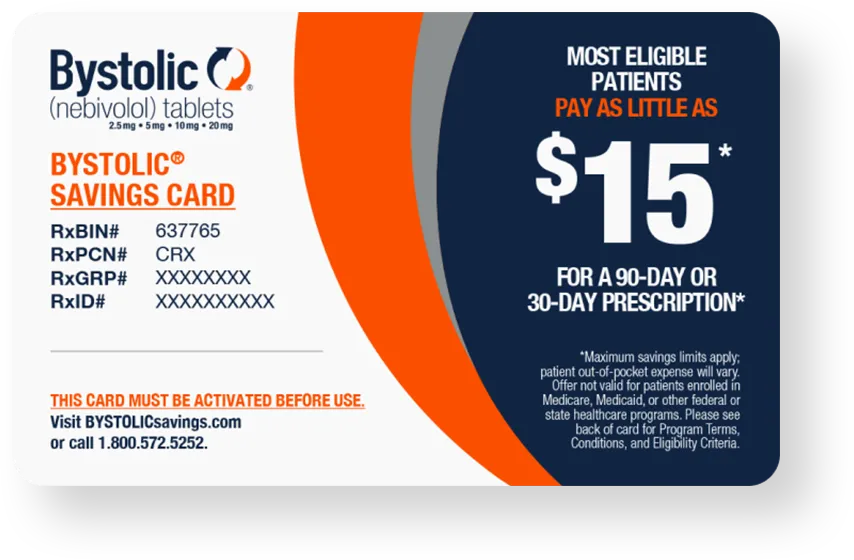
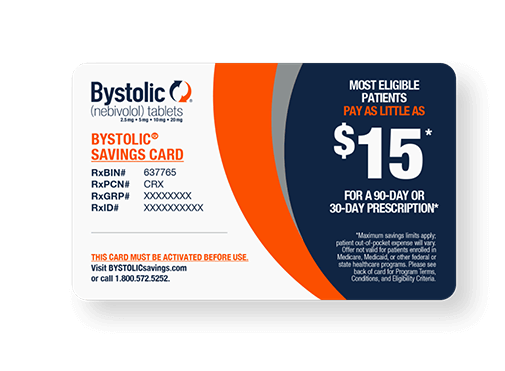
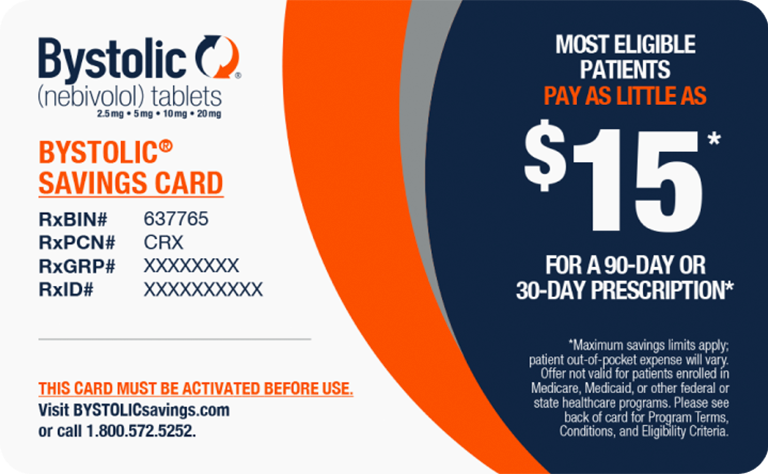
Eligible* Patients May Pay as Little as $15 for a 90-day or 30-day Prescription.
With a 90-day prescription, that’s as little as $5 a month, or less than 17¢ a day.
Button2
ACTIVATE ONLINE3 THINGS TO KNOW IF YOU'VE BEEN PRESCRIBED BRAND-NAME BYSTOLIC
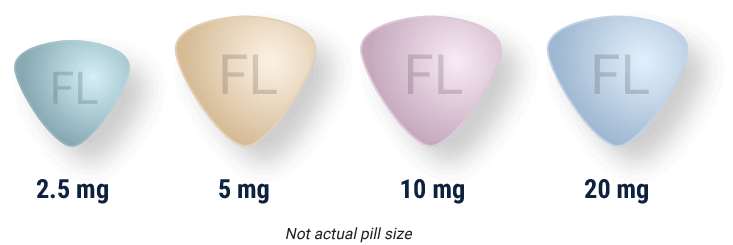
BYSTOLIC–A BRAND NAME YOU CAN TRUST
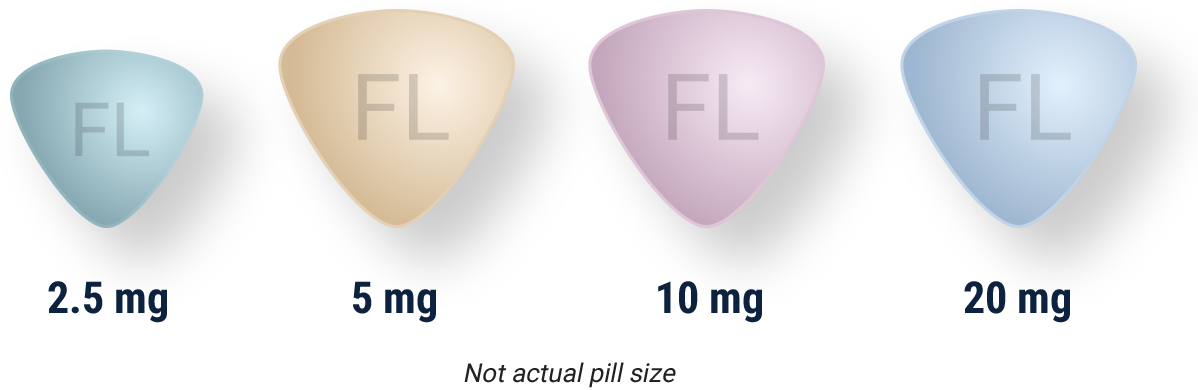
BYSTOLIC–A DISTINCTIVE
3-SIDED PILL SHAPE
3 TIPS TO HELP ENSURE YOU RECEIVE YOUR
PRESCRIPTION FOR BRAND-NAME BYSTOLIC.

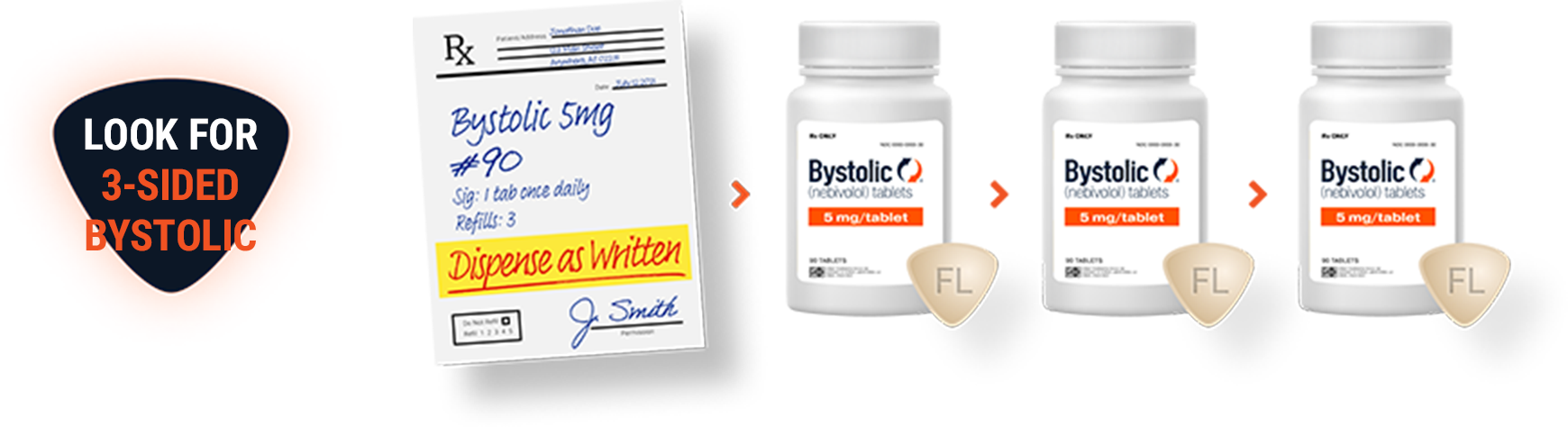
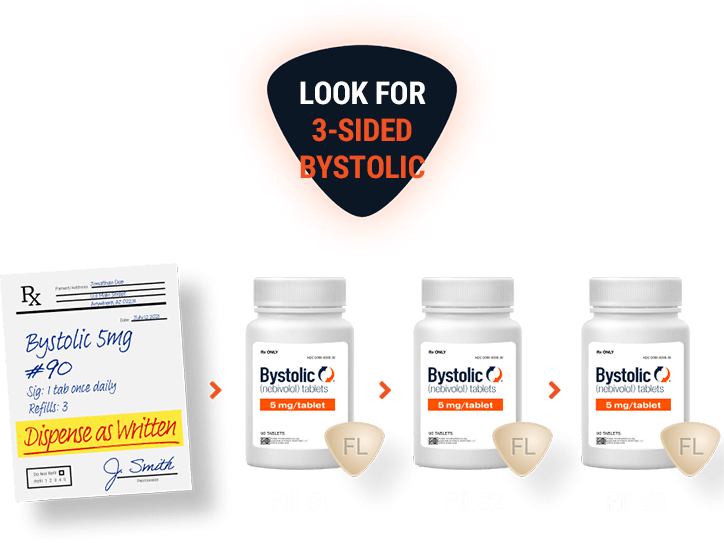
SAME PILL
EVERY REFILL
HOW TO TAKE BYSTOLIC
TIPS FOR TAKING BYSTOLIC


Do not take BYSTOLIC if you:
- Have heart failure and are in the ICU or need medicines to keep up your blood circulation.
- Have a slow heartbeat or your heart skips beats (irregular heartbeat).
- Have severe liver damage.
- Are allergic to any ingredient in BYSTOLIC. The active ingredient is nebivolol.
What should I tell my healthcare provider before taking BYSTOLIC?
Before starting BYSTOLIC, tell your healthcare provider about all of your medical conditions, including if you:
- Have asthma or other lung problems (such as bronchitis or emphysema).
- Have problems with blood flow in your feet and legs (peripheral vascular disease). BYSTOLIC can make symptoms of blood flow problems worse.
- Have diabetes and take medicine to control blood sugar.
- Have thyroid problems.
- Have liver or kidney problems.
- Have had allergic reactions to medications or have allergies.
- Have a condition called pheochromocytoma (rare adrenal gland tumor).
- Are pregnant or trying to become pregnant. It is not known if BYSTOLIC is safe for your unborn baby. Talk with your doctor about the best way to treat your high blood pressure while you are pregnant.
- Are breastfeeding. It is not known if BYSTOLIC passes into your breast milk. You should not breastfeed while using BYSTOLIC.
- Are scheduled for surgery and will be given anesthetic agents.
Tell your doctor about all the medicines you take, including prescription and non-prescription medicines, vitamins, and herbal products. BYSTOLIC and certain other medicines can affect each other and cause serious side effects.
What are possible side effects of BYSTOLIC?
The most common side effects people taking BYSTOLIC report are headache, fatigue (tiredness), dizziness (if you feel dizzy, sit or lie down and tell your doctor right away), diarrhea, nausea, insomnia (difficulty falling or staying asleep), chest pain, bradycardia (slow heartbeat), dyspnea (shortness of breath), rash, and peripheral edema (leg swelling due to fluid retention).
If you are diabetic or take medicine for high blood sugar or if you have a tendency to have low blood sugar, BYSTOLIC can mask/cover some of the signs and symptoms that would tell you that your blood sugar may be low, like heart palpitations or rapid heart beating. Ask your doctor for other signs that may alert you when having low blood sugar.
Tell your doctor if you have any side effects that bother you or don’t go away.
What other information do I need to know about taking BYSTOLIC?- Do not stop taking BYSTOLIC suddenly. You could have chest pain or a heart attack. If your doctor decides that you should stop taking BYSTOLIC, he or she will lower your dose slowly over time.
- Take BYSTOLIC every day exactly as your doctor tells you. Your doctor will tell you how much BYSTOLIC to take and how often. Your doctor may start with a low dose and raise it over time.
- Do not stop taking BYSTOLIC or change your dose without talking with your doctor.
- BYSTOLIC can be taken with or without food.
- If you miss a dose, take your dose as soon as you remember, unless it is close to the time to take your next dose. Do not take 2 doses at the same time. Take your next dose at the usual time.
- If you take too much BYSTOLIC, call your doctor or poison control center right away.
BYSTOLIC is a prescription medicine that belongs to a group of medicines called “beta blockers.” BYSTOLIC is used, often with other medicines, to treat adults with high blood pressure (hypertension). BYSTOLIC is not approved for use in children under 18 years of age.
What is high blood pressure (hypertension)?Blood pressure is the force in your blood vessels when your heart beats and when your heart rests. You have high blood pressure when the force is too great.
High blood pressure makes the heart work harder to pump blood through the body and causes damage to the blood vessels. BYSTOLIC tablets can help your blood vessels relax so your blood pressure is lower. Medicines that lower your blood pressure lower your chance of having a stroke or heart attack.
You are encouraged to report negative side effects of prescription drugs to the FDA. Visit www.fda.gov/medwatch or call 1-800-FDA-1088. Please also see full Prescribing Information for BYSTOLIC.IMPORTANT RISK INFORMATION ABOUT BYSTOLIC
Do not take BYSTOLIC if you:
- Have heart failure and are in the ICU or need medicines to keep up your blood circulation.
- Have a slow heartbeat or your heart skips beats (irregular heartbeat).
- Have severe liver damage.
- Are allergic to any ingredient in BYSTOLIC. The active ingredient is nebivolol.
What should I tell my healthcare provider before taking BYSTOLIC?
Before starting BYSTOLIC, tell your healthcare provider about all of your medical conditions, including if you:
- Have asthma or other lung problems (such as bronchitis or emphysema).
- Have problems with blood flow in your feet and legs (peripheral vascular disease). BYSTOLIC can make symptoms of blood flow problems worse.
- Have diabetes and take medicine to control blood sugar.
- Have thyroid problems.
- Have liver or kidney problems.
- Have had allergic reactions to medications or have allergies.
- Have a condition called pheochromocytoma (rare adrenal gland tumor).
- Are pregnant or trying to become pregnant. It is not known if BYSTOLIC is safe for your unborn baby. Talk with your doctor about the best way to treat your high blood pressure while you are pregnant.
- Are breastfeeding. It is not known if BYSTOLIC passes into your breast milk. You should not breastfeed while using BYSTOLIC.
- Are scheduled for surgery and will be given anesthetic agents.
Tell your doctor about all the medicines you take, including prescription and non-prescription medicines, vitamins, and herbal products. BYSTOLIC and certain other medicines can affect each other and cause serious side effects.
What are possible side effects of BYSTOLIC?
The most common side effects people taking BYSTOLIC report are headache, fatigue (tiredness), dizziness (if you feel dizzy, sit or lie down and tell your doctor right away), diarrhea, nausea, insomnia (difficulty falling or staying asleep), chest pain, bradycardia (slow heartbeat), dyspnea (shortness of breath), rash, and peripheral edema (leg swelling due to fluid retention).
If you are diabetic or take medicine for high blood sugar or if you have a tendency to have low blood sugar, BYSTOLIC can mask/cover some of the signs and symptoms that would tell you that your blood sugar may be low, like heart palpitations or rapid heart beating. Ask your doctor for other signs that may alert you when having low blood sugar.
Tell your doctor if you have any side effects that bother you or don’t go away.
What other information do I need to know about taking BYSTOLIC?- Do not stop taking BYSTOLIC suddenly. You could have chest pain or a heart attack. If your doctor decides that you should stop taking BYSTOLIC, he or she will lower your dose slowly over time.
- Take BYSTOLIC every day exactly as your doctor tells you. Your doctor will tell you how much BYSTOLIC to take and how often. Your doctor may start with a low dose and raise it over time.
- Do not stop taking BYSTOLIC or change your dose without talking with your doctor.
- BYSTOLIC can be taken with or without food.
- If you miss a dose, take your dose as soon as you remember, unless it is close to the time to take your next dose. Do not take 2 doses at the same time. Take your next dose at the usual time.
- If you take too much BYSTOLIC, call your doctor or poison control center right away.
USE
BYSTOLIC is a prescription medicine that belongs to a group of medicines called “beta blockers.” BYSTOLIC is used, often with other medicines, to treat adults with high blood pressure (hypertension). BYSTOLIC is not approved for use in children under 18 years of age.
What is high blood pressure (hypertension)?Blood pressure is the force in your blood vessels when your heart beats and when your heart rests. You have high blood pressure when the force is too great.
High blood pressure makes the heart work harder to pump blood through the body and causes damage to the blood vessels. BYSTOLIC tablets can help your blood vessels relax so your blood pressure is lower. Medicines that lower your blood pressure lower your chance of having a stroke or heart attack.
You are encouraged to report negative side effects of prescription drugs to the FDA. Visit www.fda.gov/medwatch or call 1-800-FDA-1088. Please also see full Prescribing Information for BYSTOLIC.